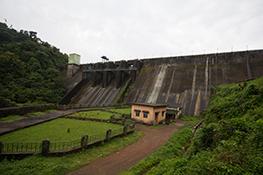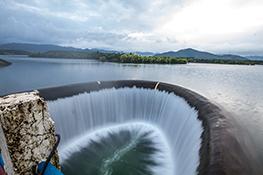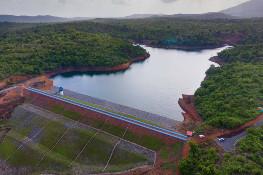
In scientific terms, water harvesting refers to collection and storage of rainwater and also other activities aimed at harvesting surface and groundwater, prevention of losses through evaporation and seepage and all hydrological studies and engineering inventions, aimed at conservation and efficient utilization of the limited water endowment of physiographic unit such as watershed. Rain is the first form of water that we know in the hydrological cycle, hence is a primary source of water for us. Rivers, lakes and groundwater are all secondary sources of water. Hence Rainwater harvesting is the activity of direct collection of rainwater that can either be stored for direct use or can be recharged into the ground water. Rainwater harvesting means to understand the value of rain and to make optimum use of rainwater at the place where it falls.
The subsidy is as follows:
| For Individual households / residential houses | upto 50% of the cost incurred or Rs. 1,00,000/- whichever is less. |
| Residential complexes and apartment buildings | upto 50% of the cost incurred or Rs. 5,00,000/- whichever is less. |
| For Commercial complexes and hospitality businesses | upto 50% of the cost incurred or Rs. 5,00,000/- whichever is less. |
| Industrial units or plot area of 1500 sq.m and above |